Skip to content
OHGA Institute

Home / Projects

Projects

A portfolio of initiatives and projects across Ethiopia and Eastern Africa, implemented in collaboration with global partners, federal ministries, national institutes, and sub-national partners.

Showing all 24 projects.

Ongoing

Current projects

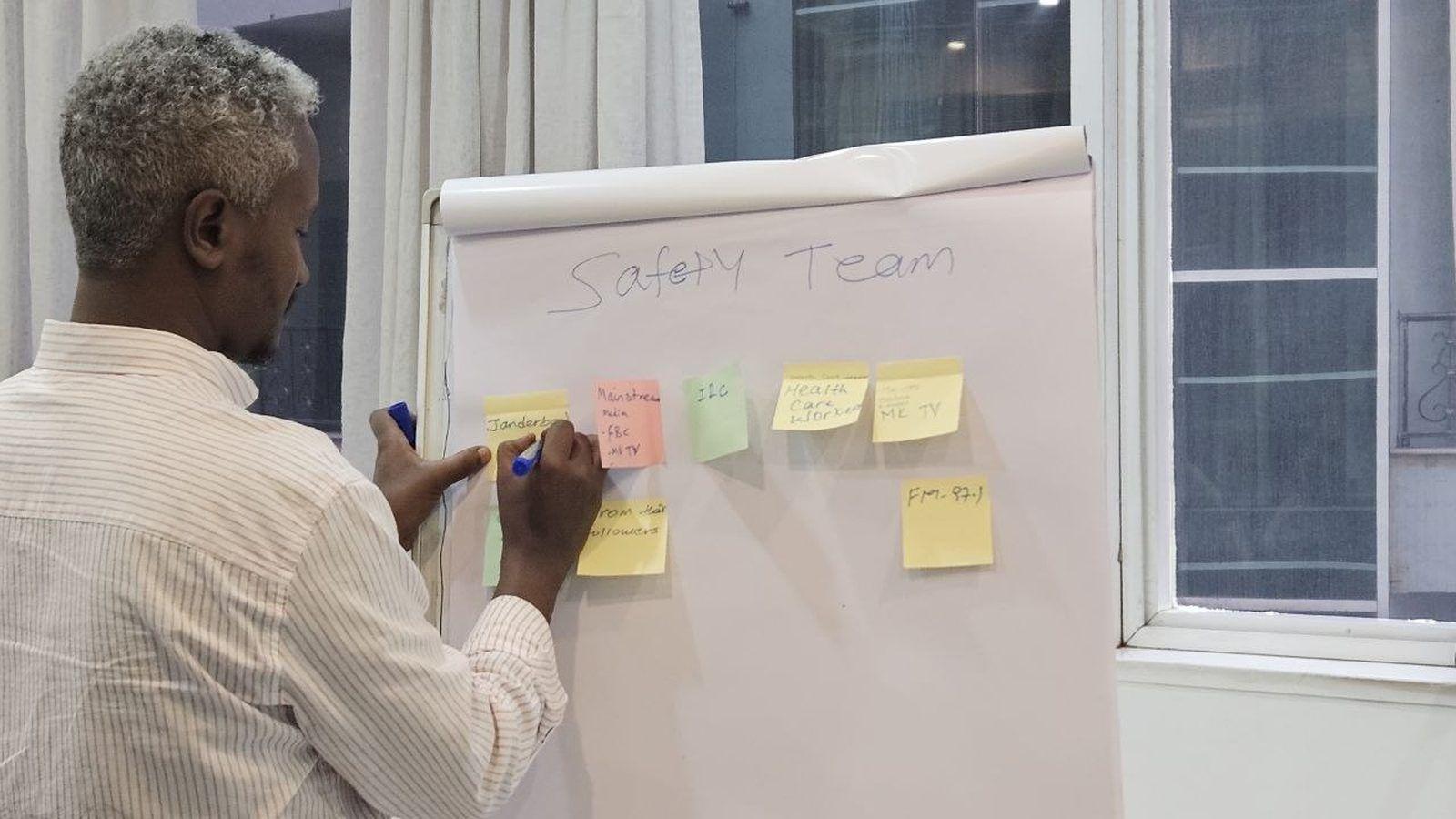
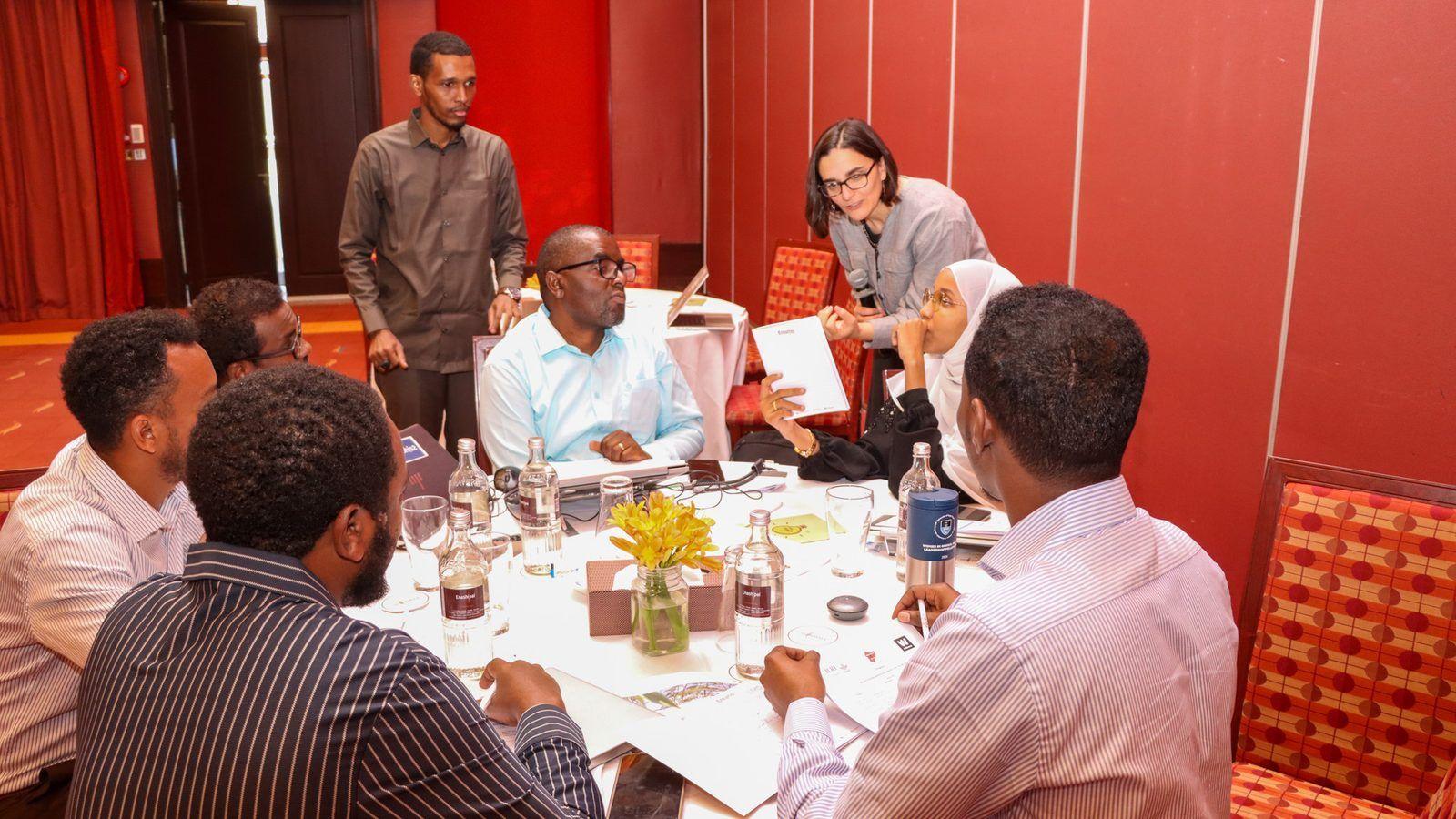
Field team meeting around a table during a Global Health Security activity

Surveillance & ResponseOngoing

Global Health Security (GHS) Cooperative Agreement

Strengthens Ethiopia’s preparedness, detection and response capacity for public health emergencies through surveillance, laboratory strengthening, workforce development and emergency response support using a One Health approach. A cooperative agreement with the U.S. CDC.
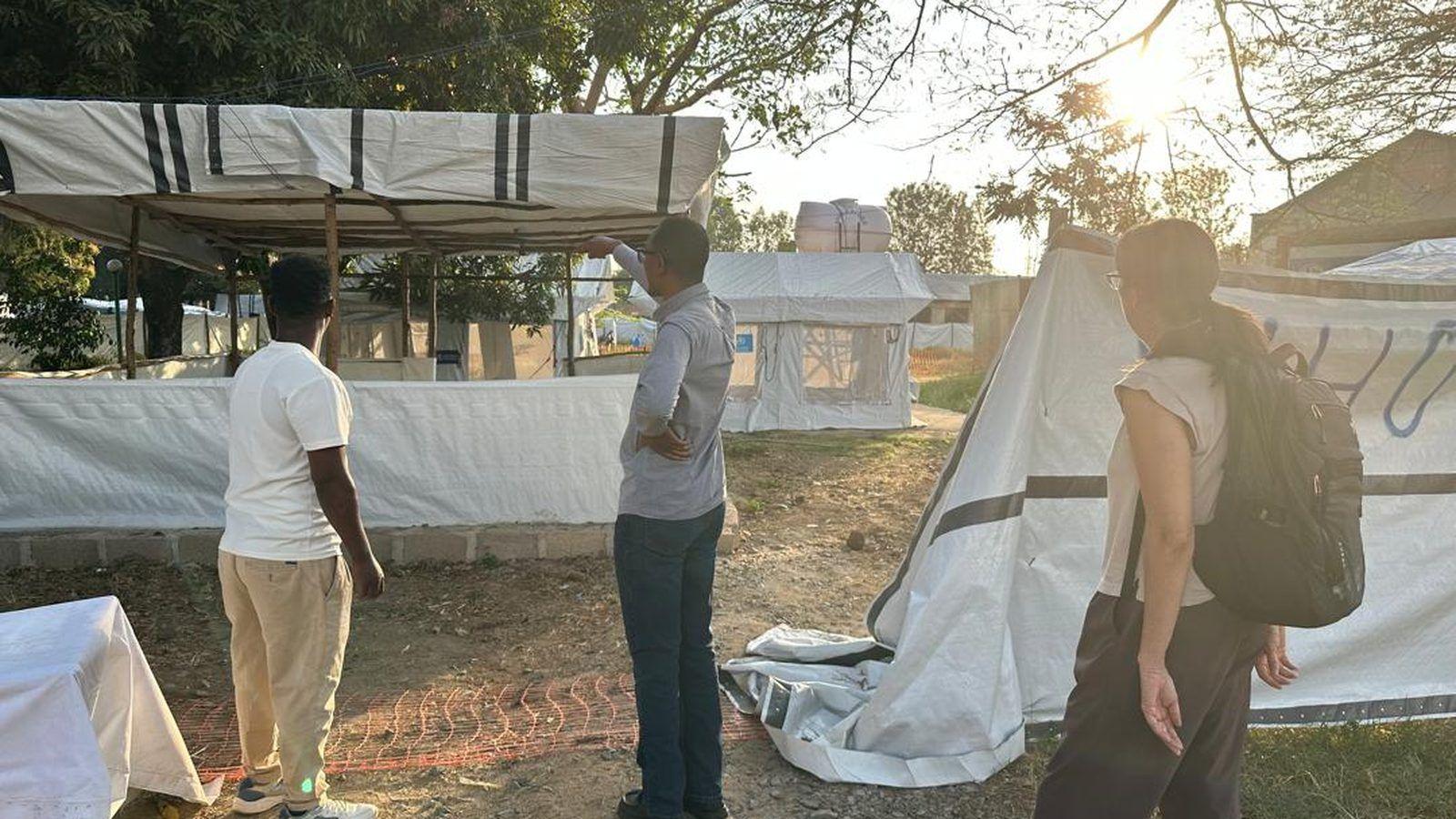
Health workers in protective equipment during the Marburg outbreak response

Surveillance & ResponseOngoing

Marburg Outbreak Response and Recovery

Supports Ethiopia’s Marburg outbreak response through logistics, technical assistance, laboratory strengthening, surveillance and workforce training. The program also includes sero-surveillance, mortality surveillance, post-recovery follow-up and fruit bat ecology studies to strengthen preparedness and disease control.

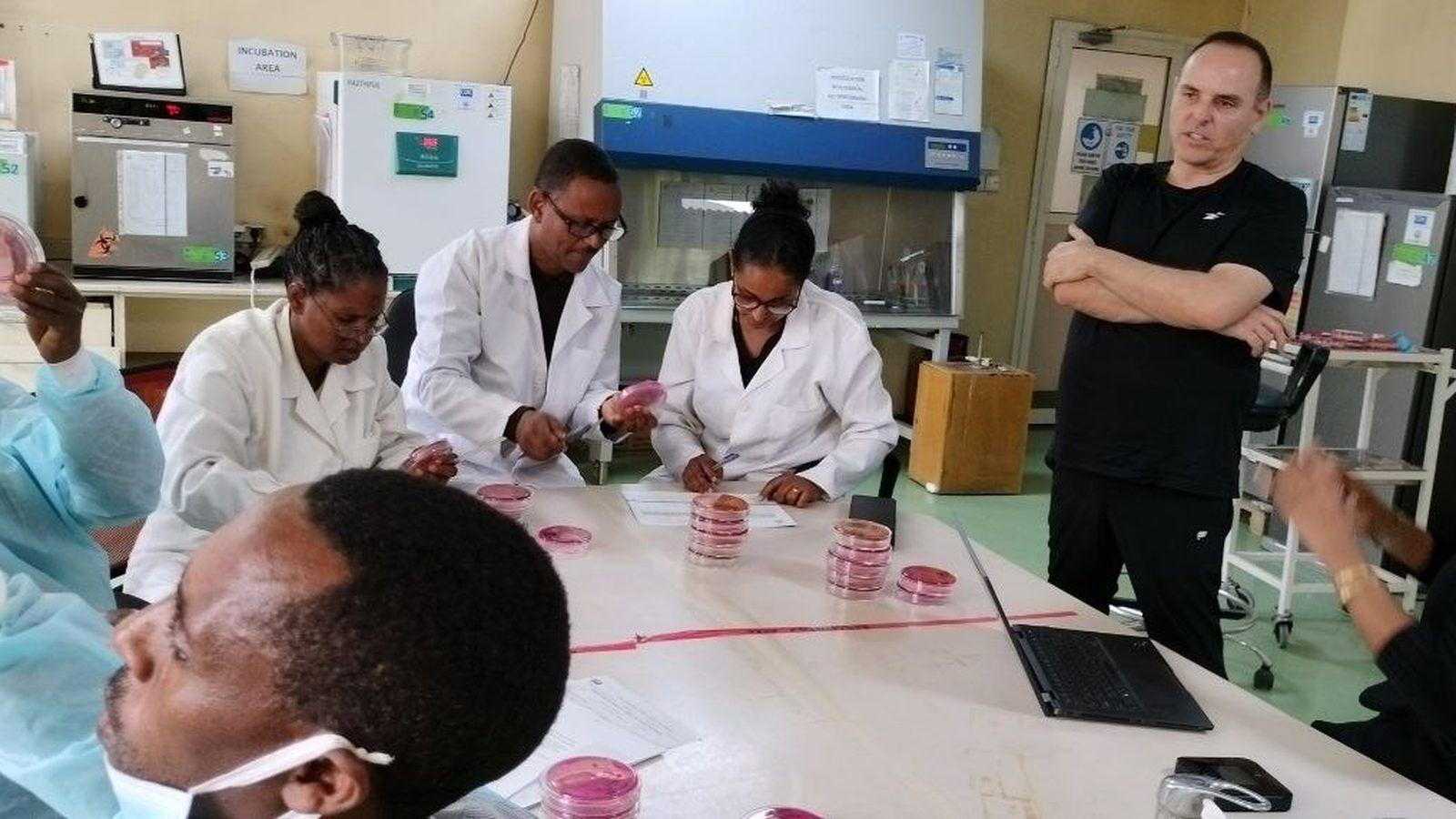
Laboratory staff in white coats examining culture plates during AMR training

AMROngoing

GAIHN-AMR Project (Global Action in Healthcare Network)

Strengthens antimicrobial resistance detection and response through hospital-based surveillance systems, microbiology laboratory strengthening, infection prevention and control, and AMR containment strategies at two referral hospitals — Tikur Anbessa Referral Hospital and Zewditu Memorial Hospital.

OHEART researchers and trainees in the field

WorkforceOngoing

One Health Eastern Africa Research and Training (OHEART) Program

NIH-funded regional training program focused on doctoral and postdoctoral researchers in foodborne, waterborne and vector-borne diseases, while strengthening research and laboratory capacity across Eastern Africa — Ethiopia and Kenya.

Researchers at work on the visceral leishmaniasis study

ResearchOngoing

Tropical Medicine Research Center — Visceral Leishmaniasis Research Project

Multi-country NIH-supported study investigating the ecology and behavior of sand flies transmitting visceral leishmaniasis in Ethiopia, Kenya and Sudan to improve disease prevention and control strategies.

Health workers reviewing vaccine safety records

Vaccine SafetyOngoing

Vaccine Safety Surveillance Project

Supports Ethiopia’s vaccine safety system through hospital-based surveillance, pharmacovigilance, adverse event investigation, causality assessment, workforce development and collaboration with the Ethiopian Food and Drug Authority. A cooperative agreement with the U.S. CDC.
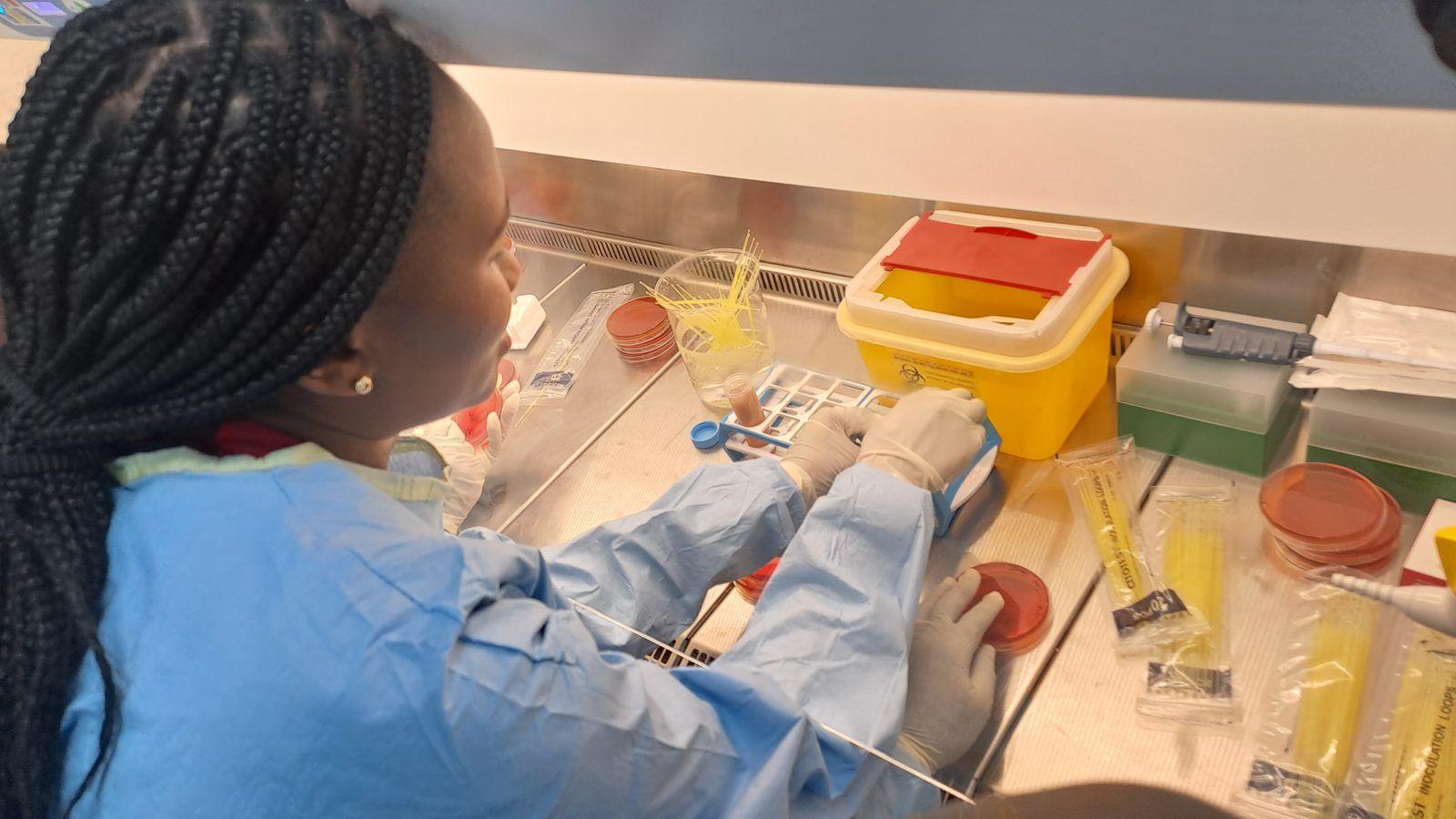
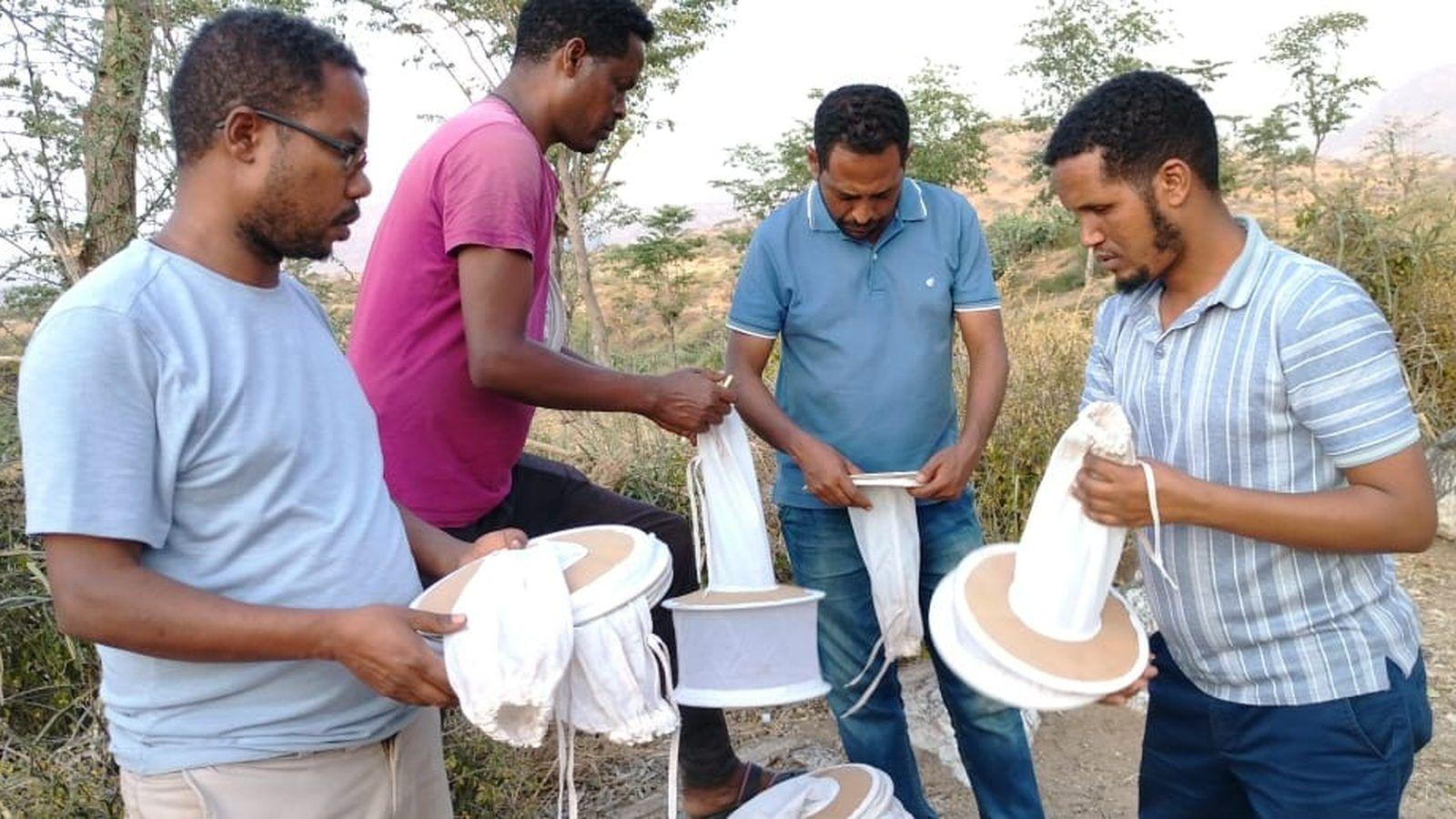
ARBO-WATCH team conducting arboviral disease surveillance

Surveillance & ResponseOngoing

ARBO-WATCH Project

Funded by Wellcome, a regional initiative implemented in Ethiopia, Kenya and Somalia focused on arboviral disease surveillance, predictive modeling, cross-border data analysis and capacity building for dengue, chikungunya and other mosquito-borne arboviral diseases.

Cover of the Veterinary Education National Action Plan 2025–2028

WorkforceOngoing

Veterinary Education National Action Plan (VEdNAP)

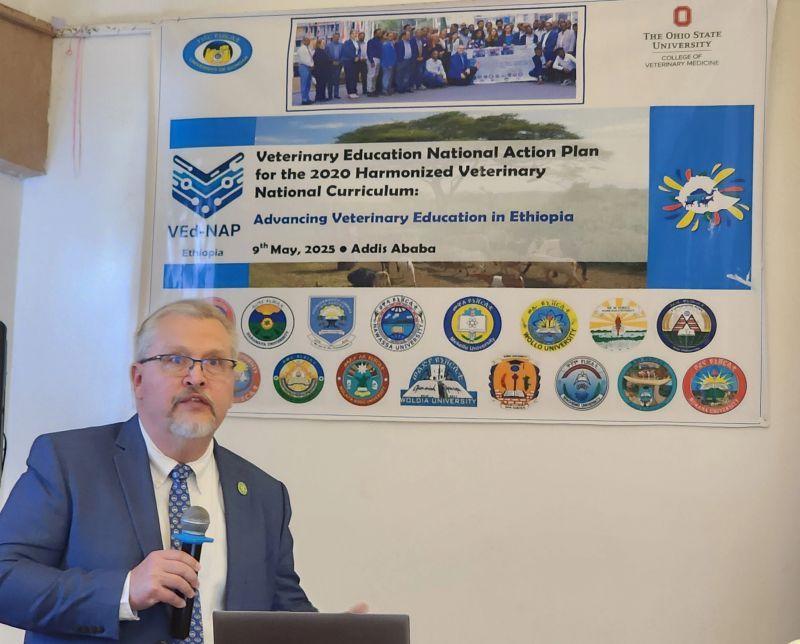
The Veterinary Education National Action Plan (2025–2028) is a nationally coordinated initiative to strengthen implementation of Ethiopia’s harmonized veterinary curriculum. Developed through collaboration among Ethiopian veterinary schools, led by the University of Gondar and The Ohio State University, it promotes curriculum quality, faculty development, practical training and institutional coordination.

Participants seated in a lecture room at the Global One Health Summer Institute

WorkforceOngoing

Global One Health Summer Institute (GOHSI)

A flagship international One Health training platform offering multidisciplinary courses and practical learning opportunities for professionals and students globally since 2012.

Completed

Past projects

Laboratory Systems

Mpox Preparedness and Response Project

Enhanced Ethiopia’s readiness for Mpox through laboratory capacity building, molecular diagnostics training, surveillance strengthening, case management support and infection prevention and control training.

Surveillance & Response

Mpox Wastewater Surveillance

Conducted with the Ethiopian Public Health Institute and the U.S. Centers for Disease Control and Prevention to monitor Mpox circulation through wastewater testing and genomic surveillance, providing early warning data for public health decision-making.

Vaccine Safety

Oral Cholera Vaccine (OCV) Zero Dose Study

Examined links between cholera hotspots and communities with zero-dose or under-vaccinated children to develop scalable strategies for reaching missed populations and improving immunization coverage.

Coordination

Global Health Security Agenda (GHSA)

A major CDC-funded initiative (2017–2022) that strengthened zoonotic disease prevention, antimicrobial resistance control, surveillance systems, laboratory networks and One Health collaboration throughout Ethiopia.

Laboratory Systems

ARPA Genomics Laboratory Capacity Building Project

Strengthened Ethiopia’s national genomic surveillance capacity by upgrading laboratories, decentralizing molecular diagnostics, enhancing sequencing capabilities and building workforce skills in genomics and bioinformatics.

Research

TARTARE: Risk from Non-typhoidal Salmonella, Diarrheagenic E. coli and Campylobacter in Raw Beef and Dairy

A joint Gates Foundation and DFID-funded One Health research project focused on improving food safety by investigating foodborne pathogens, strengthening laboratory and surveillance systems, and generating evidence to reduce risks from Salmonella, diarrheagenic E. coli and Campylobacter in Ethiopia.

Research

Campylobacter Genomics and Environmental Enteric Dysfunction (CAGED) Project

Investigated links between childhood malnutrition, environmental enteric dysfunction, food safety and Campylobacter infection to identify interventions that improve child growth and nutrition outcomes.

Research

WHIP3/TB Challenge Tuberculosis Study

A collaborative clinical trial with the Aurum Institute, in collaboration with The Ohio State University, ALERT Hospital and Zewditu Memorial Hospital in Ethiopia. Part of the worldwide Challenge TB initiative, which aims to improve access to high-quality patient-centred services, prevent TB transmission and disease progression, and strengthen TB service delivery platforms.

Research

COVID-19 Non-Pharmaceutical Intervention (NPI) Research Program

Supported Ethiopia’s COVID-19 response through epidemiologic studies, infection prevention research, laboratory support, viral genotyping and evidence generation that informed national policies and response strategies.

Vaccine Safety

Five-Dose Measles-Containing Vaccine (MCV5)

Evaluated whether five-dose measles vaccine vials could improve vaccine utilization and reduce health worker reluctance to open ten-dose vials, generating evidence for immunization policy decisions.

Vaccine Safety

MCV-2 Coverage and Barriers Study

Assessed barriers and enabling factors affecting second-dose measles vaccination coverage in Oromia to improve routine immunization performance and uptake.

Vaccine Safety

Vaccine Preventable Disease (VPD) Surveillance Costing Study

Estimated costs and financing mechanisms of Ethiopia’s VPD surveillance system, providing evidence for resource mobilization and sustainable surveillance planning.

Workforce

International Research Administration Capacity Building Program

Strengthened research administration and grant management capacity among Ethiopian universities through collaboration with the U.S. International Visitor Leadership Program and The Ohio State University.

Workforce

Leadership, Management and Governance (LMG)

A key initiative under the U.S. State Department’s University Partnership Initiative (UPI), which strengthened the leadership capacity of 50 presidents and vice presidents from 37 Ethiopian public universities and two leaders from the Ethiopian Federal Ministry of Education through training, mentorship and study tours to leading U.S. universities. The program enhanced participants’ skills in strategic planning, financial management, quality assurance and internationalization, equipping them to lead their institutions more effectively and drive educational excellence.

Vaccine Safety

Missed Opportunity for Vaccination (MOV)

Assessed missed opportunities for vaccination among children under two years of age attending public health facilities in Oromia Region, Ethiopia. Using quantitative and qualitative methods across 38 health facilities, the assessment found that more than half of eligible children missed at least one vaccination opportunity due to gaps in service integration, health worker practices, vaccine availability and caregiver awareness. The findings provide evidence-based recommendations to strengthen routine immunization services and improve childhood vaccination coverage.